
The honest starting point for any serious Utah air quality policy is a fact neither side of the usual shouting match likes to say out loud: the air is getting better. After roughly two decades of effort, federal regulators have found that the Wasatch Front met the national fine-particulate standard following three straight years of clean monitoring data, a milestone Utah had chased for about ten years. That is real progress, and it happened under conservative governance.
So the question for Utah Republicans this winter is not whether to care about clean air. We should, and most of us do—it is our kids waiting for the bus in the brown haze, our grandparents told to stay indoors on red-air days. The question is what a genuinely conservative air agenda looks like once the easy slogans are set aside.
What's Actually in the Air
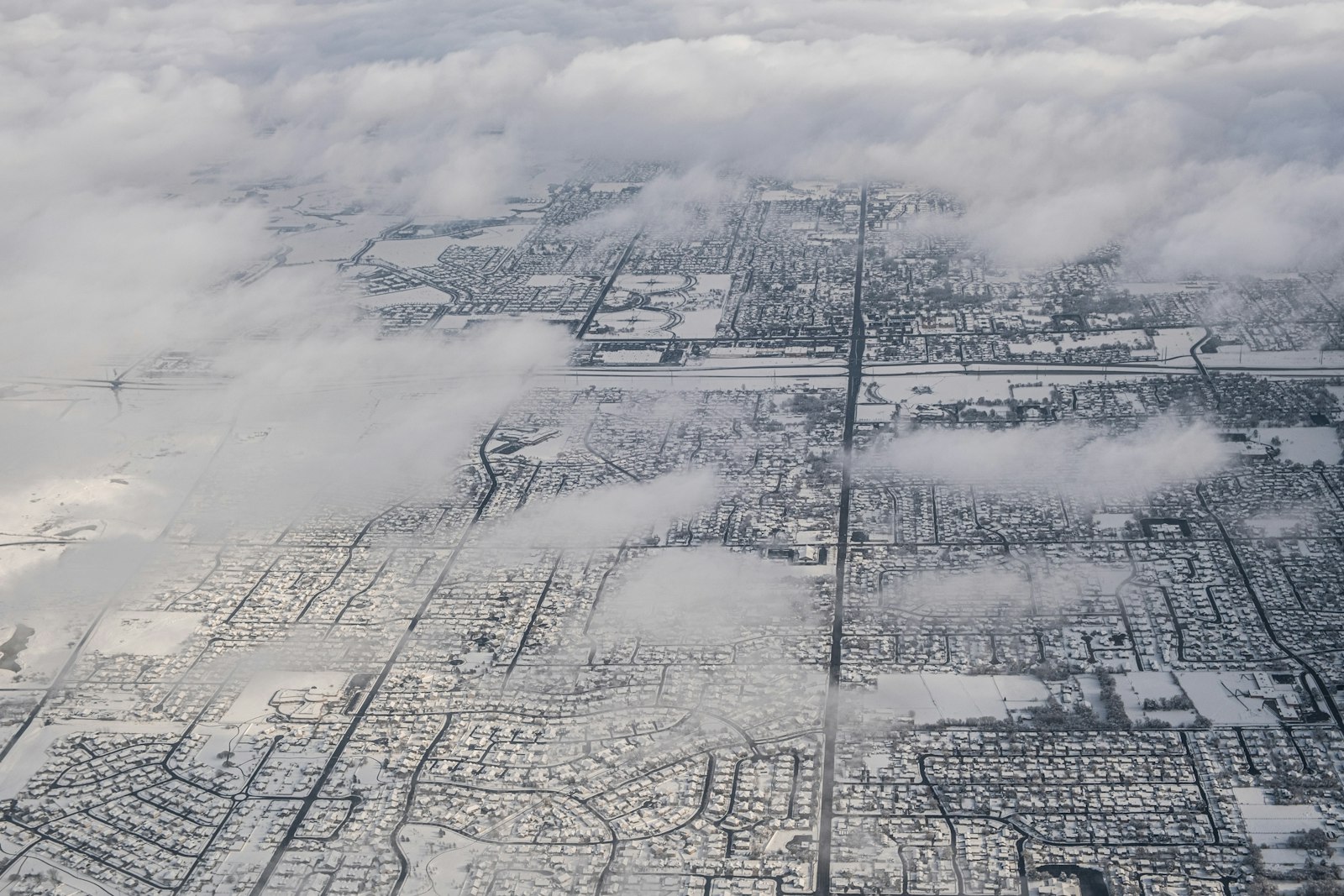
Utah's wintertime pollution problem is a geography problem first. Cold, heavy air sinks into the valleys and gets trapped under a lid of warmer air—an inversion—while roughly two-thirds of the state's residents, about two million people, live packed along the Wasatch Front near the Great Salt Lake. Everything those two million people do to stay warm and get to work piles up in the bowl with nowhere to go.
Here is the part that should reshape the debate. According to the state's own breakdown of a typical inversion, the pollution comes from three places:
- Mobile sources — 48%. Cars, trucks, trains, and aircraft. Nearly half the problem is tailpipes.
- Area sources — 39%. Thousands of small, everyday emitters: home furnaces, wood stoves, restaurants, small businesses.
- Point sources — 13%. The large industrial facilities everyone pictures when they picture pollution.
That last number is the one that reorders the politics. The refineries and smokestacks that dominate the public imagination account for a little over one-tenth of a bad air day. The other 87% is us—our commutes, our furnaces, our idling pickups in the school pickup line. Clean air in Utah is not something that gets done to an industry. It is something a few million people do together, a little at a time.
Why This Is Conservative Terrain
It is tempting on the right to treat air quality as borrowed ground—an issue to concede to the left and change the subject. That instinct gets both the problem and the opportunity wrong.
Clean air is, at its core, a property-rights and quality-of-life question. The smoke that drifts off one property into a neighbor's lungs is a classic case of a cost imposed on someone who never agreed to it—exactly the kind of spillover that limited government exists to referee. Conservatives were comfortable with that logic long before it became fashionable. And the practical case is just as strong: employers recruiting talent to Utah, the tourism economy, and the simple ability to take a winter run outside all depend on air people actually want to breathe.
The conservative difference is not whether to act. It is how. We favor tools that work with markets and incentives rather than against them—the same pragmatic, problem-solving approach that has defined Utah's best governance. That means measuring what matters, pricing real costs honestly, modernizing old equipment, and trusting Utahns to respond to good information—rather than reaching first for blanket mandates that punish working families for the crime of driving to their jobs.
The smokestacks everyone pictures account for about 13% of a bad air day. The other 87% is us.
What the 2026 Legislature Did—and Didn't
The last session offered a useful snapshot of where the consensus already is. Lawmakers passed SB 208, which closed registration loopholes that let some drivers dodge emissions testing, and HB 378, which attached modest compliance fees and public signage to the aggregate operations that kick up fugitive dust. Both are small, targeted, and squarely conservative: enforce the rules already on the books, and make polluters bear the costs they create instead of socializing them.
The same session also showed the limits of the current appetite. A bill to charge higher fees on the oldest, highest-emitting heavy-duty diesel trucks failed, as did a proposal to push Utah's commuter rail toward electric-hybrid power. Reasonable people can disagree on both. But if mobile sources are 48% of the problem, the trucks and transit decisions are not side issues—they are close to the center of it, and a serious agenda cannot keep waving them off.
A Market-First Punch List
So what would a credible conservative agenda prioritize? A short, honest list:
- Finish retiring the dirtiest engines. A handful of old vehicles produce a wildly outsized share of tailpipe pollution. Targeted, voluntary trade-in and repair incentives retire them faster and cheaper than any broad mandate, and they reward owners rather than fining them.
- Treat transportation and air as one problem. Every rider on a reliable, frequent transit line is a car that is not idling under the inversion. Smart transit and congestion investment is air policy that also serves growth.
- Modernize the small stuff. Area sources are 39% of the problem, and much of it is old furnaces and wood-burning habits. Information, rebates for efficient equipment, and clear wood-burn guidance move that number without a single new prohibition.
- Hold industry to real standards—and no more. The point-source 13% still matters. Firm, predictable rules that are actually enforced beat theatrical crackdowns that scare off investment and change little.
The Dust on the Horizon
One newer threat deserves its own line, because it ties clean air to the defining resource fight of the decade. As the Great Salt Lake has receded, exposed lakebed has become a source of wind-driven dust that can carry across the valleys. Northern Utah researchers now track it alongside the familiar winter particulates, warning that a shrinking lake is also an air quality liability. The lake is already a conservative stewardship test; its dusty shoreline makes the stakes of getting water policy right that much higher. Air and water, it turns out, are the same conversation.
The Bottom Line
Utah has a clean-air success story worth defending and a job still half-finished. The progress came not from grand gestures but from steady, measurable work—the kind of governance that fits the state's character. A conservative air agenda doesn't apologize for caring about the haze, and it doesn't pretend the answer is one more mandate. It follows the data to where the pollution actually comes from, picks the tools that respect both lungs and livelihoods, and gets on with it.
That is the kind of problem-solving conservatism the Republican Roundtable PAC exists to advance, and the kind of leadership we work to support. If you want cleaner winters and smarter policy to get there, join us—Utah's next clear-sky day is worth the effort.
Sources
- Utah's Air Quality Challenges (inversion source breakdown) — Utah Department of Government Operations
- Division of Air Quality — Utah Department of Environmental Quality
- After ten-year effort, Utah meets EPA's clean air standards — FOX 13 News
- 2026 Legislative Session — Final Results (air quality bills) — Breathe Utah
- Northern Utah Ambient Particulate Matter in 2025 — Utah State University
Photo by Daphne Fecheyr on Unsplash