
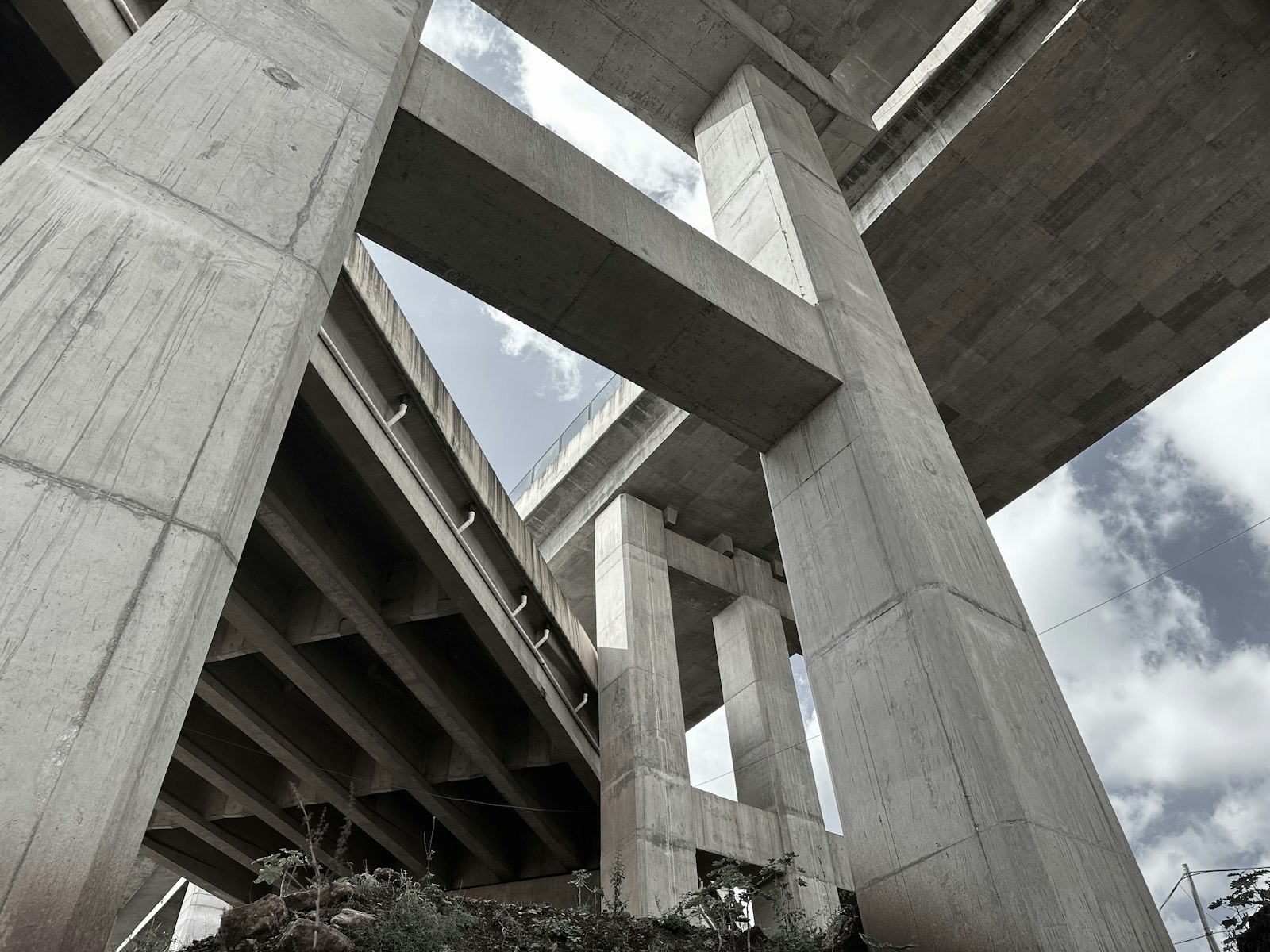
When Utah decides to widen a freeway or build a new interchange, it faces a choice as old as public works itself: pay cash and build on a pay-as-you-go basis, or sell a Utah transportation bond, build the whole thing now, and repay the debt over the years the road is actually in use. "Build now" gets the asphalt down while construction is cheaper and the congestion is already here. "Pay later" avoids interest and keeps the state nimble. Both are defensible. Neither is free.
The reason this debate matters is that Utah is growing faster than almost anywhere in the country, and growth does not wait for the budget cycle. The question in front of lawmakers is rarely whether to build. It's whether to pull tomorrow's money forward to build today—and if so, how much.
How Utah Actually Pays for Roads
Start with a fact that surprises people: Utah funds an unusually large share of its transportation program with cash, not debt. The state routes a dedicated slice of sales tax into its Transportation Investment Fund every year. According to the Governor's Office of Planning and Budget, roughly 20.68% of state sales tax revenue is earmarked for transportation, and recent law has pushed the core earmark higher still—from 17% up to 24% as of July 2025. That's a deliberate, conservative design: build a reliable river of cash so the state can pay for a lot of road work without ever going to the bond market.
But cash has a ceiling. When a project is large, urgent, and will serve drivers for forty years, paying for all of it out of a single year's sales-tax receipts isn't realistic—and arguably isn't fair to the taxpayers who happen to be alive the year the check clears. That's where bonding comes in.
The Case for Building Now
The argument for borrowing is mostly an argument about time and money moving in opposite directions.
- Construction costs rise. Concrete, steel, and labor are more expensive every year. A corridor that costs a billion dollars today will cost meaningfully more if the state waits a decade to cash-fund it piece by piece.
- The need is already here. Congestion imposes a real, daily tax on Utah families in lost time and fuel. Building the capacity sooner delivers that benefit to the people paying for it now, not just their grandchildren.
- The users and the payers line up. A 30-year bond on a road with a 40-year life means the drivers who benefit are, roughly, the taxpayers who repay it. That's a cleaner match than making today's taxpayers pre-fund a road their kids will mostly use.
Utah also happens to be an exceptionally cheap place to borrow. The state carries a AAA rating from all three major agencies—Moody's, S&P, and Fitch. According to the State Treasurer's 2025 Debt Affordability Study, Utah is one of only four states to have held every one of its AAA ratings since each was first assigned—and in 1992 it became the first state in the nation to earn top marks from all three. A pristine rating means lower interest, which tilts the "build now" math in Utah's favor more than it would in a weaker state.
The Case for Paying Later
The case against leaning on debt is the one fiscal conservatives feel in their bones, and it holds up under scrutiny.
Debt service is a claim on every future budget. A dollar committed to repaying a bond in 2035 is a dollar that can't go to the priorities of 2035—whether that's tax relief, water infrastructure, or the next transportation emergency nobody saw coming. Over-borrowing in good years is exactly how a state loses the flexibility to respond in bad ones. The same logic that makes Utah fill its rainy-day funds before a downturn argues for keeping bonded debt low enough that a recession doesn't collide with a mountain of fixed payments.
There's also a discipline argument. Cash funding forces lawmakers to prioritize. When every project competes for a finite pool of real money, marginal projects get cut and the best ones rise. Cheap, easy borrowing can blur that discipline—turning "we can't afford everything" into "we can bond for everything," which is how infrastructure wish lists quietly become structural debt.
Debt isn't a virtue or a vice. It's a tool. The test is whether the asset outlives the loan—and whether you have the discipline to pay the loan down on schedule.
What Utah's Numbers Say
Here's the encouraging part: Utah has largely threaded this needle. The state's constitution caps general obligation debt at 1.5% of the total value of taxable property. Per the budget office, that limit currently works out to about $11.86 billion, against which Utah has roughly $1.55 billion in GO bonds outstanding—a debt-to-limit ratio of about 13.1%. In other words, the state is using only a small fraction of the borrowing capacity the constitution allows.
Just as important, that ratio has been falling. The budget office notes it has declined over the last five years as taxable property values climbed and the state paid down existing bonds. Utah's scheduled bond debt service tells the same story: it peaked well above $400 million a year in the early 2020s and is set to drop to roughly $214 million in 2027 and under $90 million by 2030, according to the debt-payment schedule the budget office publishes. Utah borrowed heavily to build out major corridors a decade ago—and has been steadily retiring that debt ever since.
That is roughly what a healthy answer to "build now or pay later" looks like in practice: a big, reliable cash engine for most projects, selective bonding for the generational ones, a constitutional ceiling that no one is close to testing, and an aggressive pay-down schedule that protects the credit rating for the next time borrowing makes sense.
The Pragmatic Conservative Position
So which is it—build now or pay later? The honest answer is "it depends on the project," and conservatives should resist the temptation to pretend otherwise.
- Cash-fund the routine. Maintenance, resurfacing, and incremental upgrades should come out of the dedicated transportation cash stream. Borrowing for routine upkeep is how you end up paying interest on a pothole.
- Bond only for the generational. A new corridor with a 40-year life and a clear, growing demand is a legitimate candidate for debt—because the asset genuinely outlives the loan and the beneficiaries genuinely repay it.
- Protect the rating and the pay-down. Utah's AAA status is a taxpayer asset worth real money. Every borrowing decision should be measured against whether it keeps the state comfortably inside its limits and on a credible path to retiring the debt.
This is the same instinct that runs through how Utah handles its surpluses and its reserves. If you want to see how the pieces fit together, our look at where Utah's budget surplus actually goes and at the state's transportation and transit strategy for a growing state both come back to the same principle: spend deliberately, borrow sparingly, and never mortgage a flexibility you'll want later.
Transportation bonds aren't a scandal and they aren't a free lunch. Used well, they let a fast-growing state build ahead of demand while interest rates and its credit rating are favorable. Used carelessly, they hand the next generation a bill for roads and a budget with no room left to govern. The Republican Roundtable PAC backs leaders who understand the difference and have the discipline to act on it. If that's the kind of fiscal seriousness you want representing Utah, join us—the decisions being made now will shape the state's balance sheet for decades.
Sources
- On the Move: Updates to Sales Tax Designated for Transportation (debt limit, GO bond totals, debt-service schedule, TIF earmarks) — Utah Governor's Office of Planning and Budget
- For Investors: Utah GO bond credit ratings (Moody's Aaa, S&P AAA, Fitch AAA) — Utah State Treasurer
- 2025 Debt Affordability Study (AAA history; one of four states to hold all ratings since inception) — Utah State Treasurer
Photo by MountainAsh on Unsplash